Lorem Ipsum si amet
Lorem Ipsum si ametLorem Ipsum si ametLorem Ipsum si ametLorem Ipsum si ametLorem Ipsum si ametLorem Ipsum si amet
An evidence-based approach
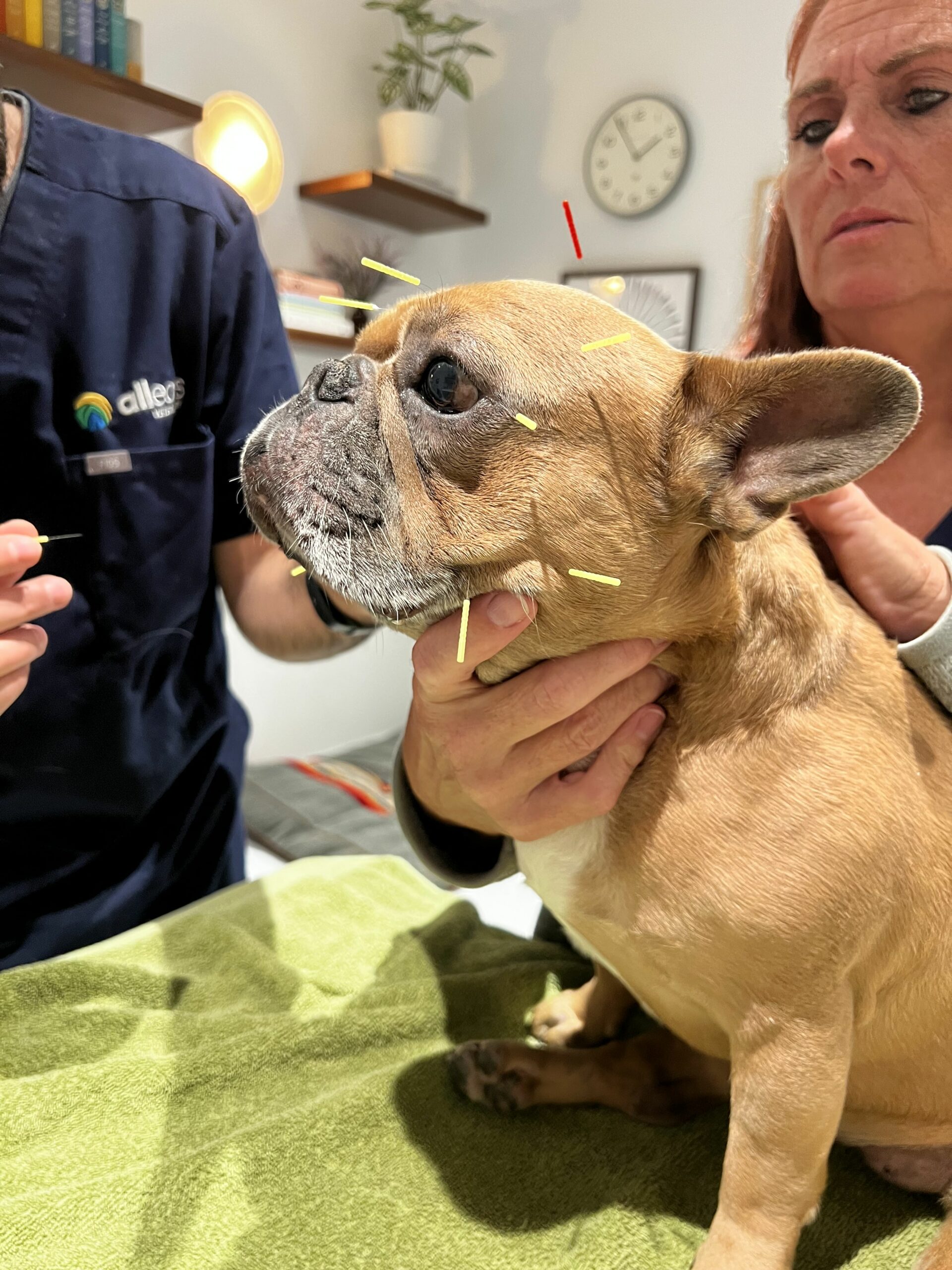
We know that pet parents may want to explore other modalities to help their pet. It is our goal to provide these treatments in a science-based, medically-sound way. Our approach to acupuncture uses modern knowledge of anatomy to design treatment protocols based on proven physiological mechanisms and objectively identifiable points in the body without resorting to metaphorical explanations. Acupuncture is typically used in conjunction with other treatments, medications, or other interventions.
Common conditions that may benefit from acupuncture
- Osteoarthritis
- Intervertebral disc disease (IVDD)
- Chronic pain
- Degenerative myelopathy
- Urinary incontinence
- Post-op pain
- Cruciate ligament injuries
- Weakness or neurologic deficits in limbs
Signs of Pet Dental Health Issues
Signs of Pet Dental Health Issues
- Osteoarthritis
- Intervertebral disc disease (IVDD)
- Chronic pain
- Degenerative myelopathy
- Urinary incontinence
- Post-op pain
- Cruciate ligament injuries
- Weakness or neurologic deficits in limbs
Acupuncture FAQ
How does acupuncture work?
Acupuncture uses tiny, sterile, single-use, stainless steel needles to stimulate points on the body that are intersections of nerves, vessels, muscles, and/or connective tissues. Depending on the point, it can release tension in muscles or fascia, activate the release of pain-relieving compounds, or send relaxing, calming signals to the brain.
Isn't acupuncture pseudoscience?
Dr. Fortier practices a scientific, evidence-based approach to acupuncture. Ancient traditions of acupuncture believed that energy, sometimes called Qi, was released when acupuncture points were activated. Without today’s understanding of anatomy, this was their best guess for how the treatment worked. However as knowledge of anatomy matured, it was discovered that these points mapped very closely to important intersections of nerves, vessels, muscles, and/or connective tissues on the body. From there, the scientific community was able to explain how acupuncture works, better study its physiological effect, and responsibly develop its practice as a medical treatment.
Is acupuncture painful?
The needles used in veterinary acupuncture are very small (much smaller than those used to give vaccinations, for instance) and are usually completely painless for dogs or cats. The novel sensation can feel like a pin prick, dull ache, or warmth. Treatment is usually tolerated quite well, and even has a relaxing effect on many pets. Keeping with our Fear Free philosophy, if your pet is not tolerating treatment, we will stop immediately and discuss alternate approaches or treatments.
lorem ipsum si amet dolor et





Services
Treatment of acute andchronic dermatological diseases.
- Post-op pain
- Cruciate ligament injuries
- Weakness or neurologic deficits in limbs
Treatment of acute andchronic dermatological diseases.
- Post-op pain
- Cruciate ligament injuries
- Weakness or neurologic deficits in limbs